


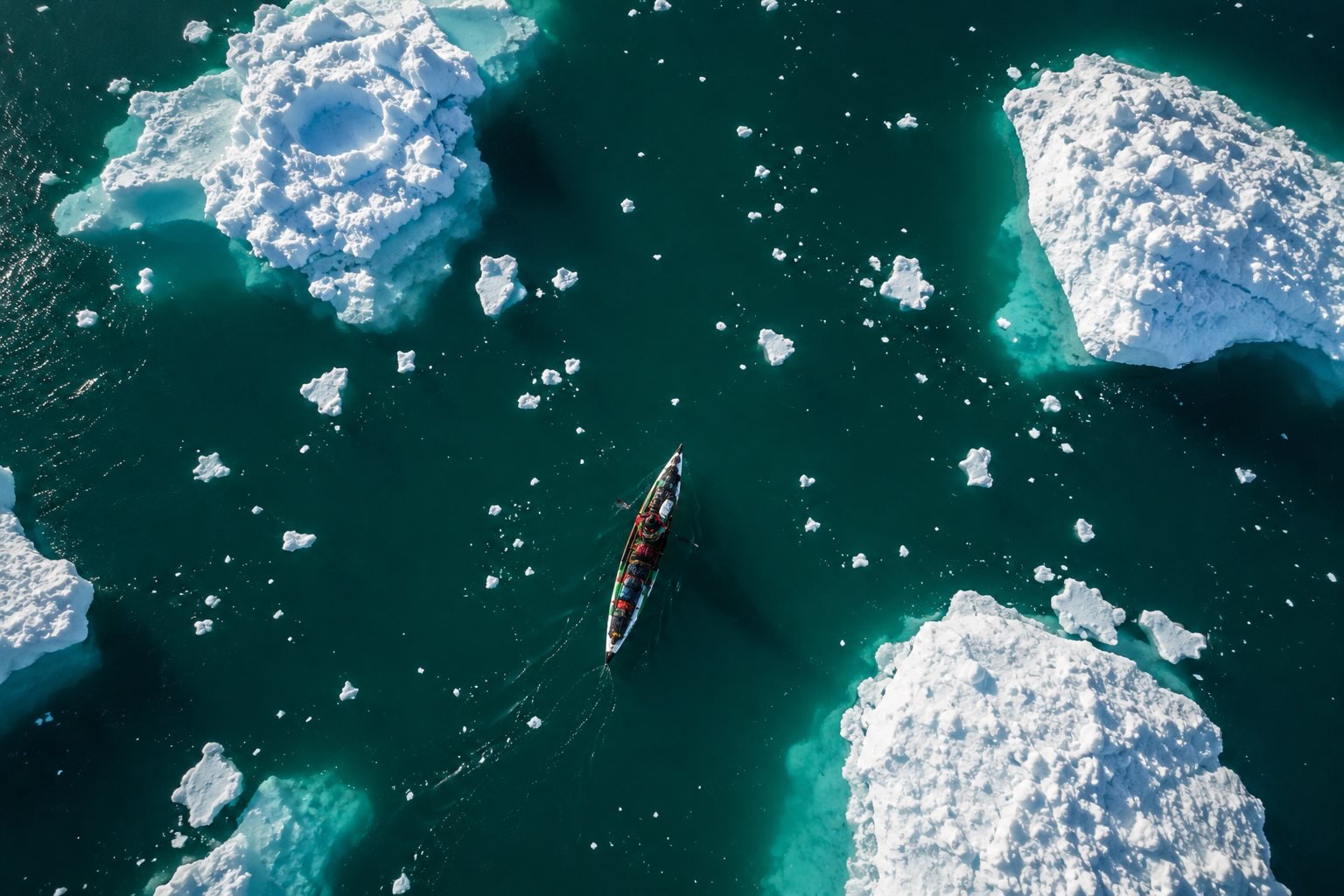
Spanish adventurer Antonio de la Rosa has returned safely from an extraordinary attempt to paddle more than 3,000km through Canada’s Northwest Passage, after a 16-day journey that included capsizes in near-freezing water, huge open-water crossings and a storm that eventually carried his expedition SUP out to sea.
Spanish explorer Antonio de la Rosa set out from Pond Inlet, Nunavut, on July 18 with an ambitious goal: to travel more than 3,000km through the Canadian Arctic and the legendary Northwest Passage, alone and under his own power.
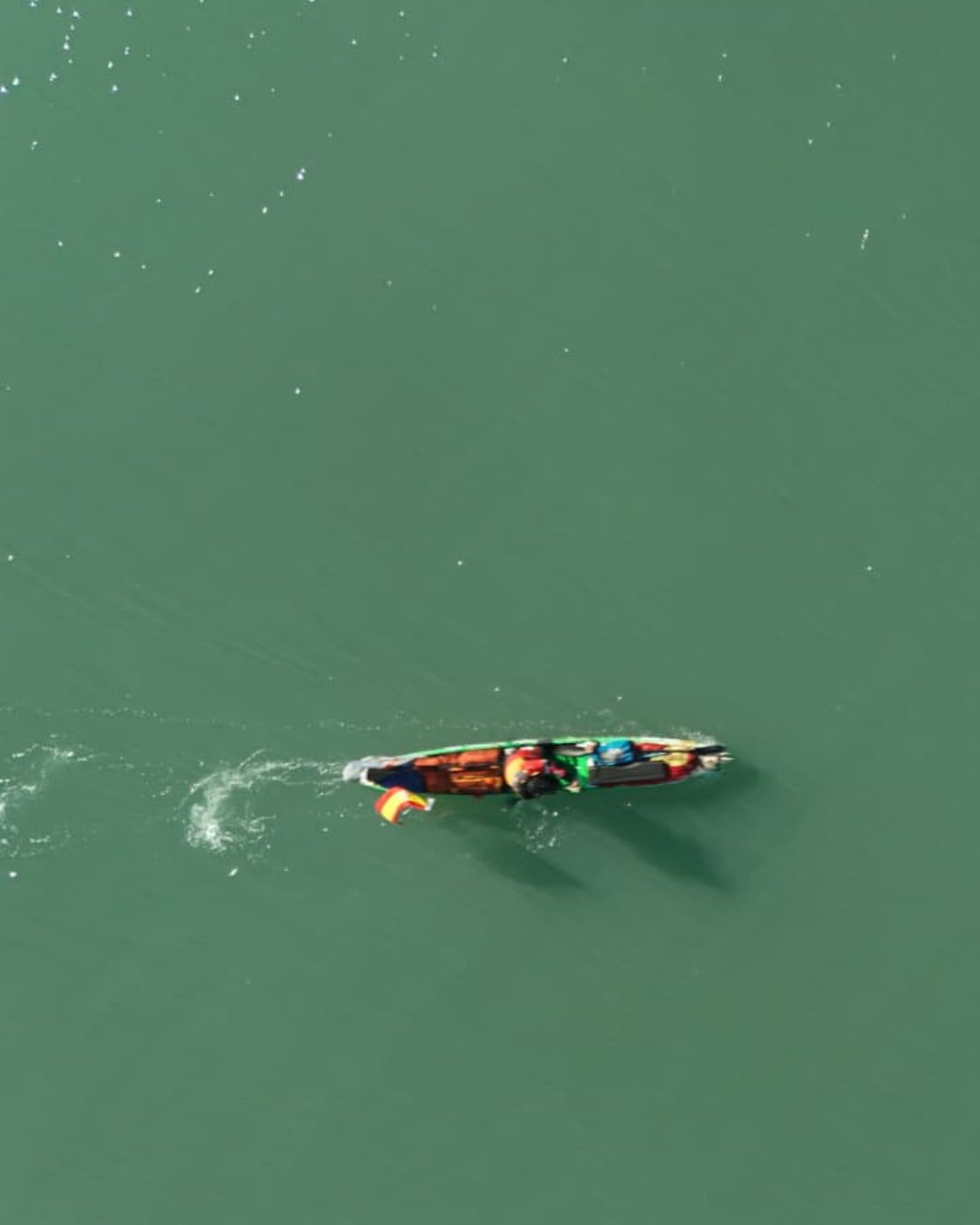
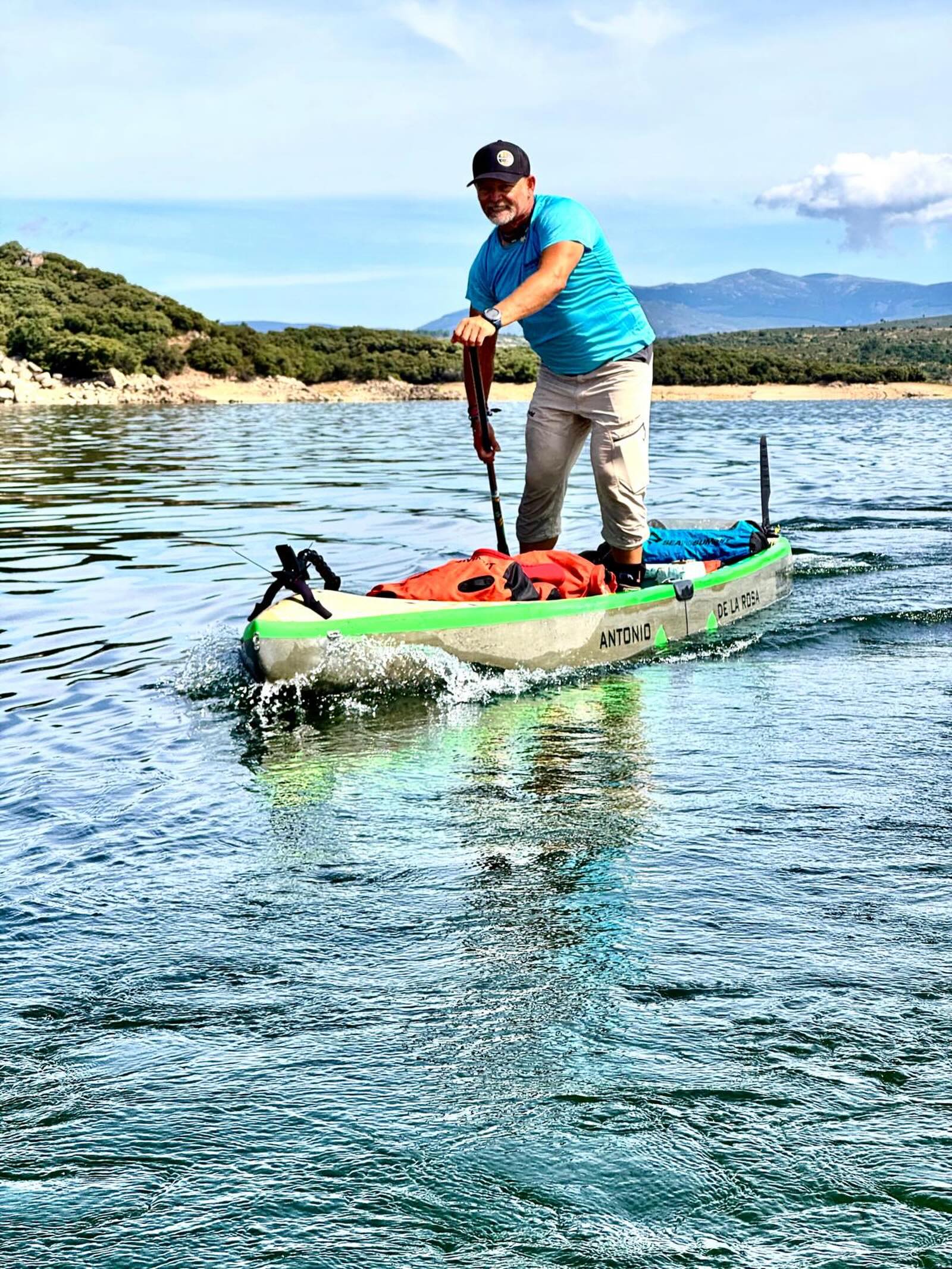
His craft was no ordinary SUP. The specially developed Sunova prototype was built in two sections and designed to carry the equipment and supplies needed for an extended Arctic expedition. When ice made paddling impossible, the modular board could be separated and used as a sledge, allowing De la Rosa to haul his equipment across the ice.
It was an expedition in which progress would ultimately be determined by the Arctic itself.
A difficult start
The challenge became apparent almost immediately.
Within hours of leaving Pond Inlet, De la Rosa encountered headwinds exceeding 50km/h and was forced to seek shelter, waiting several days before conditions allowed him to properly begin making progress.
When the weather windows did appear, however, the distances quickly began adding up.
One six-hour day saw him cover 40km despite gusts approaching 50km/h, difficult swell and two falls into the water. Another brought considerably calmer conditions and a 53km day.
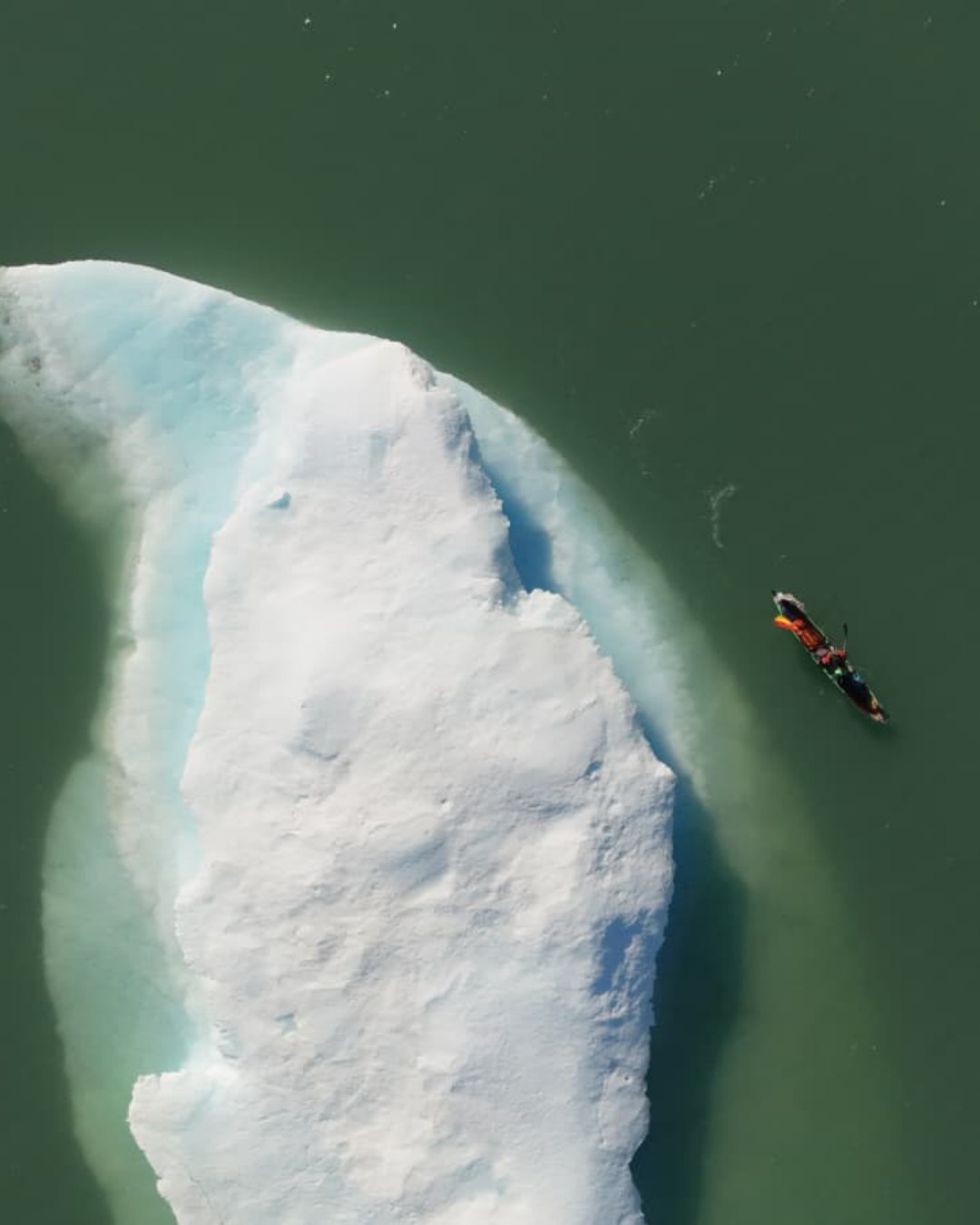
Wildlife encounters added another dimension to the journey, including seals and narwhals, with two narwhals spotted during one day’s paddle and another encounter bringing the animals within metres of his board.
By July 25, eight days into the expedition, De la Rosa had covered 239.5km and reached the waters around Lancaster Sound and the eastern gateway to the Northwest Passage.
But the most serious moment of the expedition was still to come.
Capsized in 2°C water
On July 27, De la Rosa attempted to cross the mouth of Admiralty Inlet towards Cape Crauford.
Around 12km offshore, his heavily loaded SUP capsized.
The water temperature was approximately 2°C and, critically, De la Rosa had partially opened his drysuit because he had become hot while paddling.
He managed to right the board and climb back aboard before making the decision to abandon the crossing.
With the coast still 12km away, he paddled for around three and a half hours continuously to get himself back to land.
He made it.
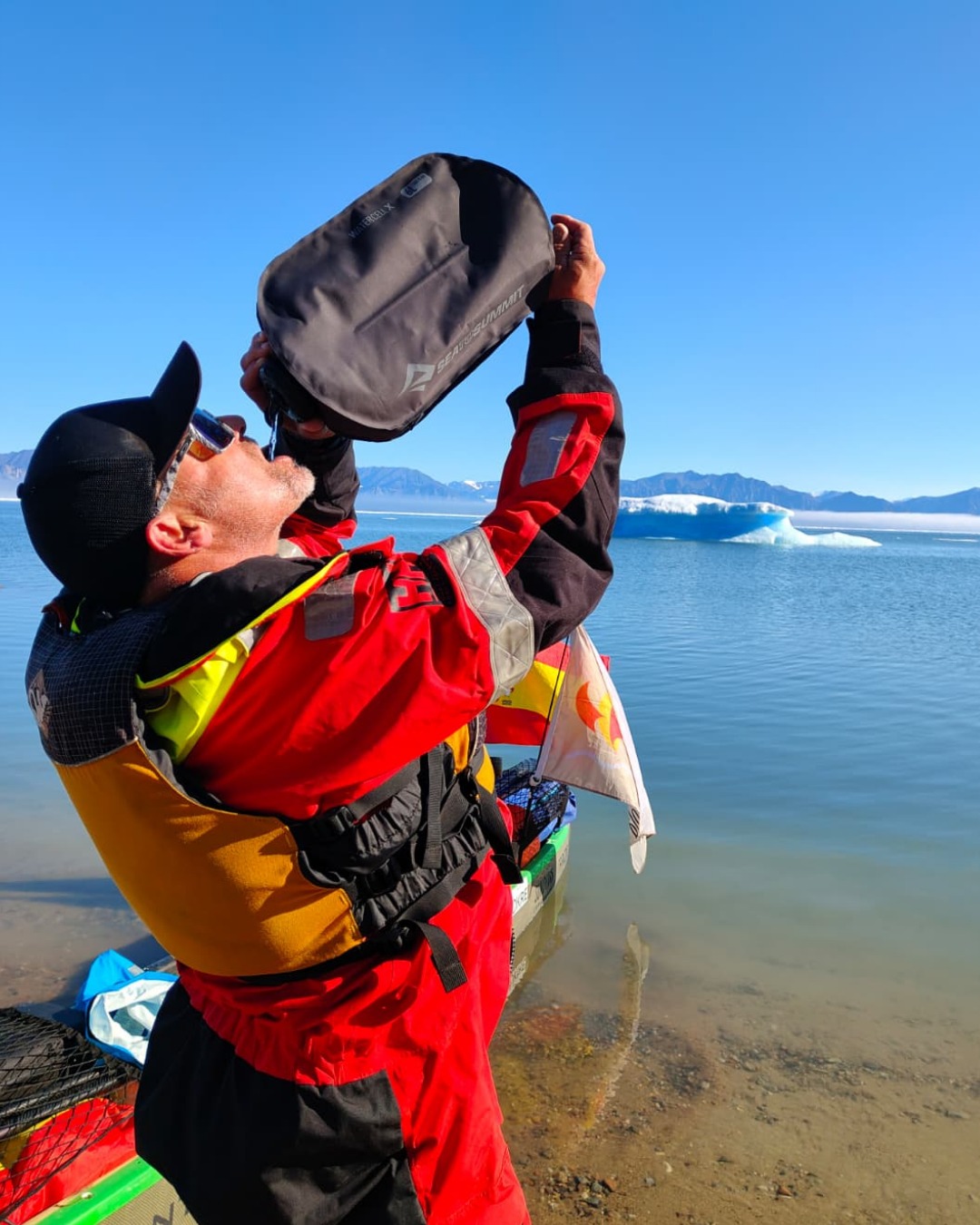
His own account afterwards perhaps best conveys the severity of the experience: after reaching the beach, within minutes the emotion and exhaustion of what had happened caught up with him.
Remarkably, that wasn’t the end of his expedition.
63.5km across Admiralty Inlet
Two days later, De la Rosa went back out and attempted the crossing again.
This time he succeeded.
He paddled 63.5km across open water in 12 hours, encountering such dense fog that he never saw the opposite coastline during the crossing.
According to his expedition updates, he had no helpful wind, current or swell and navigated largely by compass through the fog.
“You can’t even blink, because the waves come in broken and keep pushing you off course,” he reported afterwards.
The crossing brought his total distance to 367.7km.
But after reaching Cape Crauford, the expedition began to unravel.
An Arctic storm closes in
Dense fog, waves and temperatures around freezing prevented De la Rosa from continuing around the cape. After several attempts to get through the breaking waves, he returned to shore and discovered an old hunters’ cabin where he could shelter.
The refuge proved invaluable.
De la Rosa was now dealing with accumulated equipment damage. His board had taken knocks, part of the fin had broken, one of the nets securing his equipment was damaged and, most concerningly, his drysuit had developed a fault.
With water temperatures around 2°C, continuing with a compromised drysuit represented a considerable additional risk.
De la Rosa therefore changed his plan.
Rather than immediately continuing west through the Northwest Passage, he intended to paddle approximately 105km south to Arctic Bay, where he could repair his equipment before attempting to continue the expedition. He still had around 22 days of food remaining.
He never got the opportunity.
The Arctic takes the board
During the night of July 31 into August 1, a major storm hit Cape Crauford.
De la Rosa was safely inside the hunters’ cabin, approximately 500 metres from the shoreline, while winds approached 100km/h outside.
The storm broke apart the landfast sea ice where his SUP and much of his equipment had been left.
When De la Rosa emerged, the board was gone.
It had been carried out to sea along with much of his expedition equipment.
Without his craft, there was no realistic way for the expedition to continue.
A maritime rescue operation was activated while De la Rosa remained safely inside the cabin. Poor weather continued to make accessing the remote location difficult.
Finally, on August 2, a break in the weather allowed the Canadian Coast Guard icebreaker CCGS Des Groseilliers to reach Cape Crauford. A helicopter launched from the ship, collected De la Rosa and transported him to Arctic Bay.
He was uninjured.
The rescue brought his 2026 Northwest Passage expedition to an end after 16 days and 367.7km of paddling.
Not finished with the Northwest Passage
Back in Spain, De la Rosa has been remarkably open about the expedition.
Rather than simply blaming the extreme Arctic environment, he has acknowledged mistakes in his own planning and decision-making and says there are lessons to take into another attempt. His expedition team quoted him after the rescue saying that things going wrong on an adventure are often the result of personal errors and that it was now time to learn from his.
Most importantly, he doesn’t consider his Northwest Passage project finished.
Speaking after his rescue, De la Rosa said:
“The Northwest Passage in a paddle surf craft is a real adventure that I hope to overcome another time.”
His intention is to return to the Arctic and continue pursuing the route.
For now, however, an extraordinary 16 days on the water has provided a glimpse of both what may be possible on an expedition SUP — and just how quickly the Arctic can change the plan.
Make sure to see Antonio’s Instagram for video and audio updates from his attempt.